

Nobody’s fault but mine?
This brief reflection deals with the theme of guilt, a feeling that assaults us when we know we have done something wrong – or even when we suspect that we have made that mistake. In Ethics, guilt appears relatively little in the works of moral philosophers (for those interested, Chappell’s chapter in Cokelet and Maley’s […]

Phenomenology in the social sciences: a summary
1. What is phenomenology? “Phenomenon” means what is shown, not only what appears or seems (BELLO, 2006) or in the words of Husserl: “everything that is experience, unit of experience of an self (…)” (HUSSERL, 1988, p. 176) and to the author necessary for utilization of a method that can be the understanding (cited BELLO , 2006). To Abbafnano (1993) the phenomenology was understood by Husserl as a […]
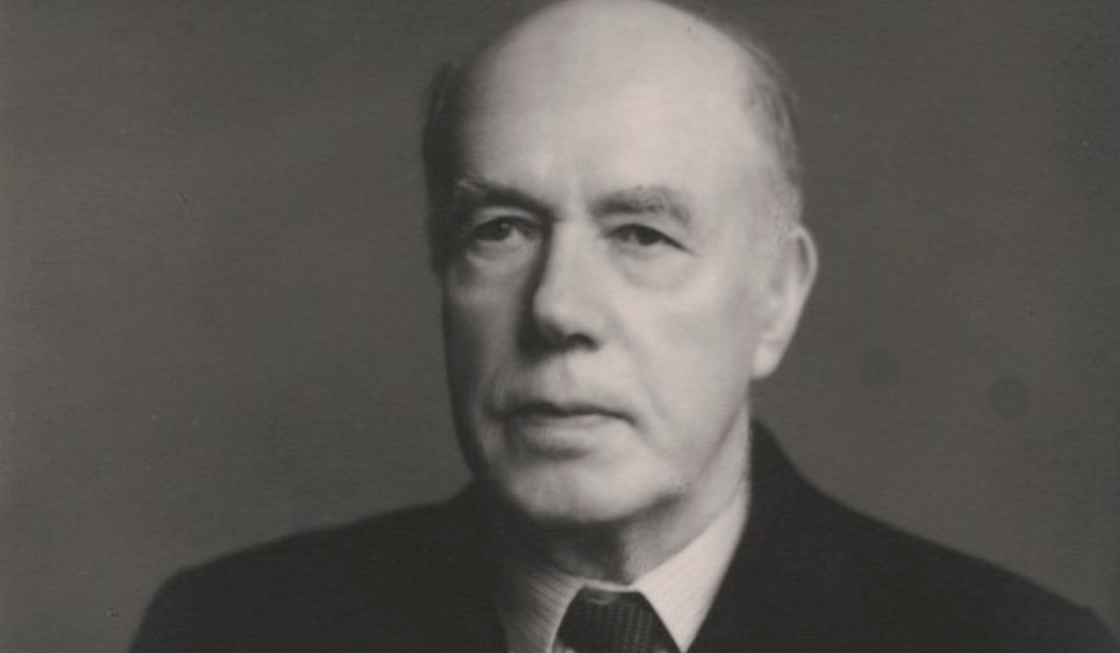
Prima Facie Duties: A deontology in context?
Sir William David Ross (1877–1941), better known as W. D. Ross, was a Scottish philosopher from Oxford University, where he taught Moral Philosophy for several years, having excelled in this area for the publication of a book, The Right And The Good (1930), as well as for having translated and organized an edition of Aristotle’s […]

Moral Dilemmas in the light of Rosalind Hursthouse’s Virtue Ethics
Throughout life we are always being tested on our character when we make choices, act, or reflect on our trajectory. To act in the right way, whether in professional or family life, requires a daily exercise of virtuous habits, with a view to achieving excellence in who we are and how we act towards others. […]

Enlighted Intellectuals, from Michael Oakeshott to Thomas Sowell
English philosopher Michael Oakeshott was born and died in 20th century Europe, thus being an eyewitness to the rebirth of great authoritarian states and the countless wars and civil clashes that they created or sponsored. His social environment and the conditions imposed by his time shaped Oakeshott’s investigation, which dealt with topics related to liberal […]
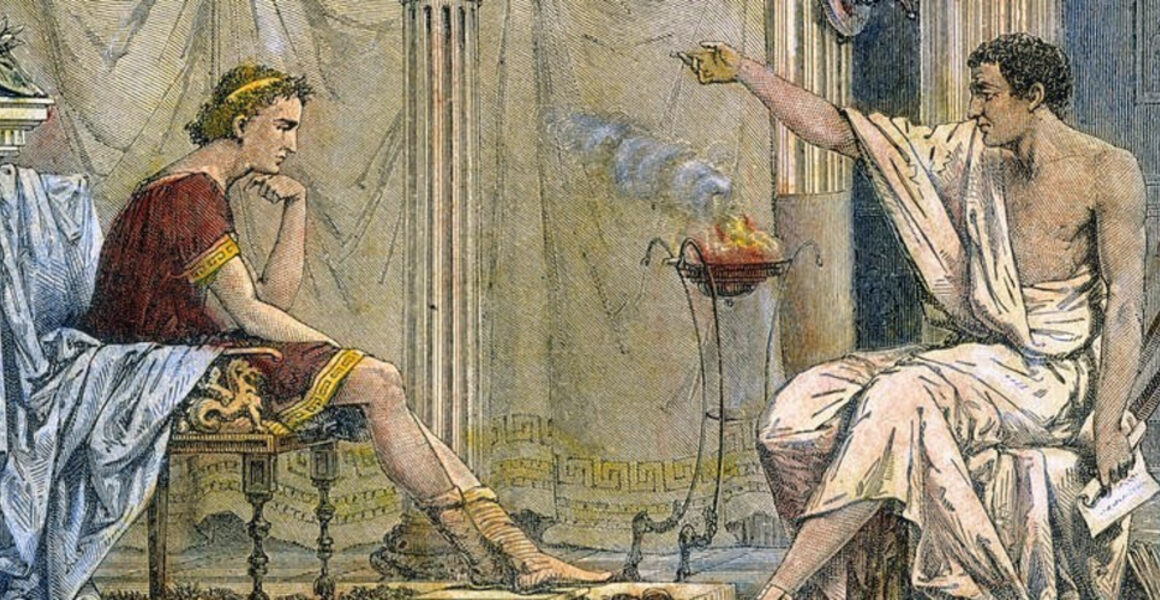
Returning to Aristotle
In this article, I invite the reader to return to Aristotle’s basic concepts. The discussion of soul, happiness, virtues, and politics will be presented. The main goal here is to explain them briefly, to facilitate the reader’s understanding. The following discussion was based on the book “History of Philosophy” by Reale and Antiseri (2003). For […]

Survey Experiment and its relationship with ethics
This article is a continuation of the publication entitled: “Survey Experiment: a promising methodological approach”. The initial idea of the first article was to provide an overview so that we could understand what this approach is about, and then, in this article, present the use of methodology and its relationship with ethics. To stipulate a […]

Entrepreneurship: The Blind Men and the Elephant
In this series of 3 chapters, we will present entrepreneurship through its three main Schools: Economic, Behavioral, and Managerial. The parable ‘The blind men and the elephant’1 is used throughout the chapters – we adapted some parts for the didactic purpose. In a city in India, there were six wise men, all blind. Because they […]

Ethics and Technology – Part 1
There is a common sense of what technology is, and although it is not wrong in its entirety, it does not reflect the depth and complexity that encompass its definitions – which by the way are far from reaching consensus. The first associations with technology refer to “last generation” devices, cars and modern buildings, among […]
Phenomenology and ethics within organizations
It is increasingly perceived the relevance of active subjects, problem solvers, especially when talking about ethical issues within organizations. A person, in order to act ethically and give answers to ethical problems, needs to highlight the reality at every moment. In Husserl’s phenomenology, the process of arriving at the reality’s evidence involves making epochs, that […]